
Running a craft or print-on-demand shop can feel like juggling ten jobs at once—maker, marketer, photographer, packer, and bookkeeper. Without the right digital tools, even talented sellers end up exhausted and underpaid. The good news is you don’t need a huge tech stack; you need a lean, well-chosen set of platforms that quietly support your creative work. This guide breaks down practical tools for sales, design, production, finances, marketing, and customer care so your shop can grow without burning you out.
1. Core Sales Platforms
Your main selling platform is the foundation of your business, so it should match both your products and your energy. Etsy is ideal if you focus on handmade, vintage, or craft supplies and want built-in traffic from shoppers who already value unique goods. Shopify shines when you’re ready for a standalone brand with flexible themes, apps, and a streamlined checkout. WooCommerce works best if you’re comfortable with WordPress and want granular control over every page and plugin. Instead of trying to be everywhere, choose one “home base” and let other channels support it. That focus makes it easier to optimize listings, improve photos, and build reviews in one primary location.
- Decide where your ideal customer already shops, then make that platform your main hub.
- Add new channels only after your primary shop feels organized and reliably profitable.
2. Design and Mockup Tools
In crowded craft and print-on-demand niches, strong visuals are often the first reason a shopper clicks. Adobe Express helps you create consistent listing images, brand graphics, and social content without advanced design skills. Placeit generates realistic product mockups, especially useful if you don’t have time or budget for full photoshoots. Many artists pair those tools with Procreate or similar drawing apps to create original artwork that becomes the core of their product line. The goal is a recognizable look across every touchpoint so customers remember your shop after they scroll away. A small set of reusable templates saves hours during launches and seasonal refreshes.
- Create a simple mini style guide: a few colors, fonts, and layouts to reuse everywhere.
- Build listing and social templates once, then just swap in new photos or designs.
3. Print-on-Demand Partners
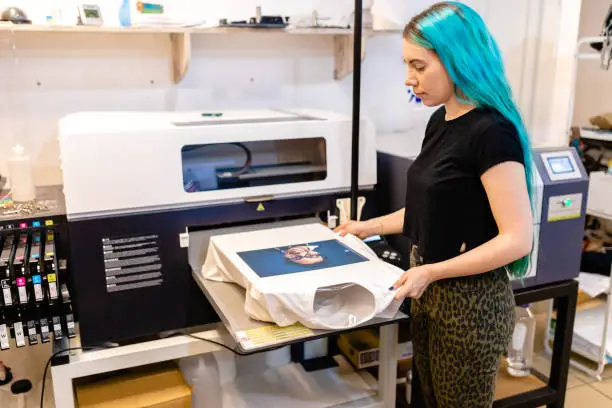
If you want to sell more than you can physically make, print-on-demand partners expand your catalog without inventory risk. Printful focuses on quality control, branding options, and smooth integrations with platforms like Etsy and Shopify. Printify offers a wide network of print partners and competitive base costs, giving you flexibility on pricing and geography. Both let you upload designs, generate mockups, and sync products directly to your shop, so you can test new ideas quickly. The key is to order samples before fully committing, checking color accuracy, durability, and packaging. Once you know which provider and product types fit your brand, you can launch new items with confidence.
- Start with just a few designs and one provider so you can evaluate results clearly.
- Keep notes on sample quality and shipping time to guide future product decisions.
4. Inventory, Pricing, and Bookkeeping
Creative businesses often get tripped up not by ideas, but by numbers. Craftybase is built specifically for makers and helps track raw materials, finished inventory, and cost of goods so you can price accurately. As your revenue grows, tools like QuickBooks make it easier to manage income, expenses, and tax-time reporting in one place. Treat these platforms as your financial dashboard, not something you open once a year. Knowing your true profit per product lets you stop underpricing and focus on the lines that actually support your business. A simple, repeatable pricing formula will save you from constant second-guessing.
- Block a weekly “money check-in” to update costs, review profits, and tweak prices.
- Include materials, fees, packaging, and your time when calculating pricing.
5. Marketing and Audience Building
A craft shop with no repeat buyers is always starting from zero, so audience-building tools are essential. Mailchimp and Klaviyo let you collect email addresses, send campaigns, and automate flows like welcome series, launch alerts, and seasonal reminders. A link-in-bio tool such as Linktree (or similar) makes it easy for social followers to find your top products, custom order form, and newsletter signup from one clean page. Pair these with your design tool to create branded graphics so every touchpoint feels like it belongs to the same shop. Email becomes your “owned channel” that works even when social reach drops. Over time, this combination turns casual buyers into loyal collectors.
- Offer a small perk for joining your list, such as early access to new drops or limited colors.
- Plan simple recurring emails—“new this month” or “behind the scenes”—so you’re never starting from a blank page.
FAQ: Mug Design Tips for Handmade and Craft Shop Owners
For many craft and print-on-demand sellers, mugs are a popular staple: practical, giftable, and endlessly customizable. Thoughtful mug design helps your shop stand out and encourages repeat orders from fans who want matching sets or new editions. These questions focus on design and production choices for shop owners adding mugs to their catalog.
How do I pick mug styles that match my existing handmade brand?
Look at your current products and ask what shape, color, and finish would feel like a natural extension of them, such as matte neutrals for minimal brands or speckled glazes for rustic lines. When your mugs share a common look with your other items, your shop feels cohesive and customers are more likely to build collections over time.
What are beginner-friendly tools for planning and laying out mug designs?
Adobe Express offers templates and guides for placing artwork and text, and its mug maker options help you stay within safe print areas. Printful and Printify also include built-in editors and 3D previews, making it easier to visualize how your design will wrap around the mug before listing it in your shop.
How can I make sure my mug artwork prints clearly?
Work with high-resolution files at 300 DPI, avoid ultra-thin lines, and keep important details away from edges where curvature is strongest. Ordering physical samples is essential; treat test prints as part of your design process so you can catch issues with sharpness or color before selling.
Which print-on-demand services work well for producing mugs for craft and Etsy shops?
Printful, Printify, and Gooten all offer mug catalogs and integrate with major platforms, handling production and shipping once an order comes in. Zazzle and Shutterfly are also worth exploring if you’d like their marketplace exposure and design tools alongside your own shop strategy.
How should I price custom mugs so they’re profitable but still attractive?
Add up printing cost, platform fees, packaging, and your design time, then apply a margin that fits your niche and customer. Unique art, personalization, or limited-run collections can justify higher prices, especially when buyers understand the story and process behind each design. Bundling mugs as pairs or sets can also raise order value while still feeling like a deal.
Running a craft, Etsy, or print-on-demand shop becomes much more sustainable when your tools support the business instead of complicating it. A strong sales platform anchors your storefront while design and mockup tools keep your visuals cohesive and memorable. Print-on-demand partners expand your catalog without overwhelming your storage space, and financial tools make sure your prices actually sustain your craft. Marketing and customer-care systems then turn one-time buyers into loyal fans who look forward to your next release. Together, this lean digital stack frees you to spend more time designing, making, and telling the stories behind your products—turning a hobby shop into a resilient creative business.