
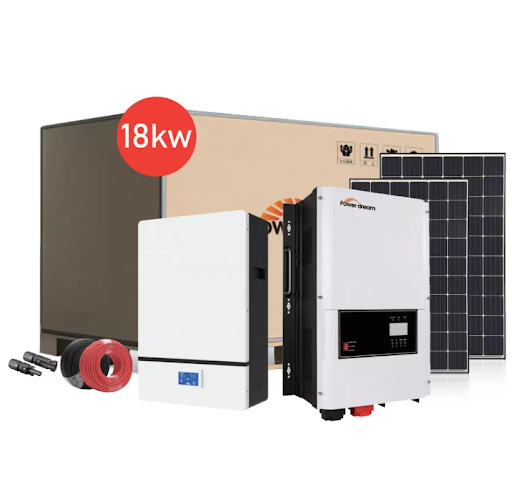
As consumer demand grows, so too does the diversity in off-grid solar system quality. While many users primarily focus on capacity or price, the actual performance and reliability of an off grid home solar system kit depend largely on technical and manufacturing metrics, such as battery rating, inverter specifications, and production standards. PowerDream specializes in developing advanced off-grid home solar systems and understands that quality assurance begins long before installation—with materials, engineering precision, and adherence to international standards.
Battery Rating and Capacity: The Heart of an Off Grid Home Solar System Kit
When evaluating an off- grid home solar system kit, the first key factor is the battery rating—this metric defines how much energy it can store and output when the sun is not shining. Batteries are the backbone of every off grid home solar system, directly impacting its autonomy, lifespan, and cost-effectiveness.
High-quality solar systems typically use deep-cycle lithium or lithium iron phosphate batteries, which are known for their 5,000+ charge cycles, 98% charge efficiency, and low maintenance requirements. The battery rating determines the system’s usable energy storage capacity. For example, under average power usage conditions, an 18-kWh solar system can power a medium-sized US home for a full day. Equally important is the battery management system (BMS), which monitors and regulates temperature, voltage, and current. A high-quality BMS ensures safe charging and discharging cycles, preventing the system from overcharging or deep discharging.
Inverter Specifications: The Heart of an Off Grid Home Solar System Kit
The inverter is the nerve center of an off grid home solar system kit, converting DC power from the batteries into usable AC power. The efficiency and stability of this conversion process depend on the inverter’s specifications and quality design.
For optimal performance, a pure sine wave inverter is the industry standard. Unlike modified sine wave inverters, it produces smooth, clean power output and is compatible with sensitive electronic devices such as refrigerators, laptops, and medical equipment. A high-quality off-grid solar system inverter should have a conversion efficiency of at least 90-95% and strong surge capacity to handle device startup currents. Furthermore, the inverter’s power rating and input voltage range must match the total load requirements and battery bank configuration. Homeowners considering installing an 18 kWh solar system should ensure the inverter can sustain high loads and, ideally, has a built-in MPPT for maximum solar output.
Manufacturing Standards and Component Quality of Off-Grid Home Solar System Kits
Beyond performance specifications, the actual test of quality lies in manufacturing standards. Reliable off-grid home solar system kits comply with globally recognized certifications such as IEC 62109, ISO 9001, and UL 1741, ensuring adherence to electrical safety and manufacturing best practices.
At PowerDream, our production facilities adhere to lean manufacturing protocols and implement quality assurance (QA) checkpoints at every stage, from PCB assembly to inverter calibration and battery module testing. This structured approach ensures that each off grid solar system meets benchmarks for durability, thermal stress resistance, and output stability. Furthermore, materials such as pure copper wiring, flame-retardant housing, and industrial-grade connectors significantly enhance safety and longevity. Consistent manufacturing precision ensures that each system maintains stable performance even in high-humidity, high-temperature, or dusty environments common in remote installations.
Long-Term Durability Quality Indicators
Durability determines the return on investment of an off grid home solar system kit. While most systems promise years of performance, their actual lifespan depends on a combination of engineering design, protective systems, and material resilience.
For example, an enclosure rating (IP65 or higher) ensures protection against dust and water, which is crucial for outdoor installations. Similarly, corrosion-resistant aluminum frames, UV-resistant cables, and intelligent cooling systems prevent premature module aging. Based on PowerDream’s field data from over 5,000 installations worldwide, systems built according to stringent durability protocols maintain over 92% efficiency after five years, compared to just 78% for common alternatives. Homeowners should always check that their off grid solar system includes surge protection, thermal fuses, and a real-time diagnostic interface to mitigate common operational risks.
Efficiency and Conversion Optimization
Efficiency determines how effectively solar energy is captured, stored, and converted into usable electricity. A well-designed off grid home solar system kit maximizes performance by intelligently integrating solar panels, batteries, and inverters.
At PowerDream, we design systems equipped with MPPT controllers that improve charging efficiency by up to 30% compared to traditional PWM systems. MPPT, combined with high-efficiency monocrystalline panels, maintains stable energy output even in partial shade or low-light conditions. Cable specifications, connection integrity, and thermal management also play a key role in minimizing power losses. Every watt saved in the conversion process translates directly into longer battery life and lower operating costs. Therefore, choosing an off-grid home solar system with superior design integration can provide stable power output for over 15 years.
Build Confidence in the Quality of Off-Grid Home Solar Systems
Marketing claims don’t define the quality of off grid home solar system kits—performance data, material integrity, and adherence to global manufacturing standards verify it. At PowerDream, we view each system as a long-term investment in energy independence. From precise battery ratings and advanced inverter specifications to certified production protocols, every element of our design reflects our unwavering commitment to reliability and efficiency.
ALSO READ: Best Free Merge PDF Tool for Remote Professionals