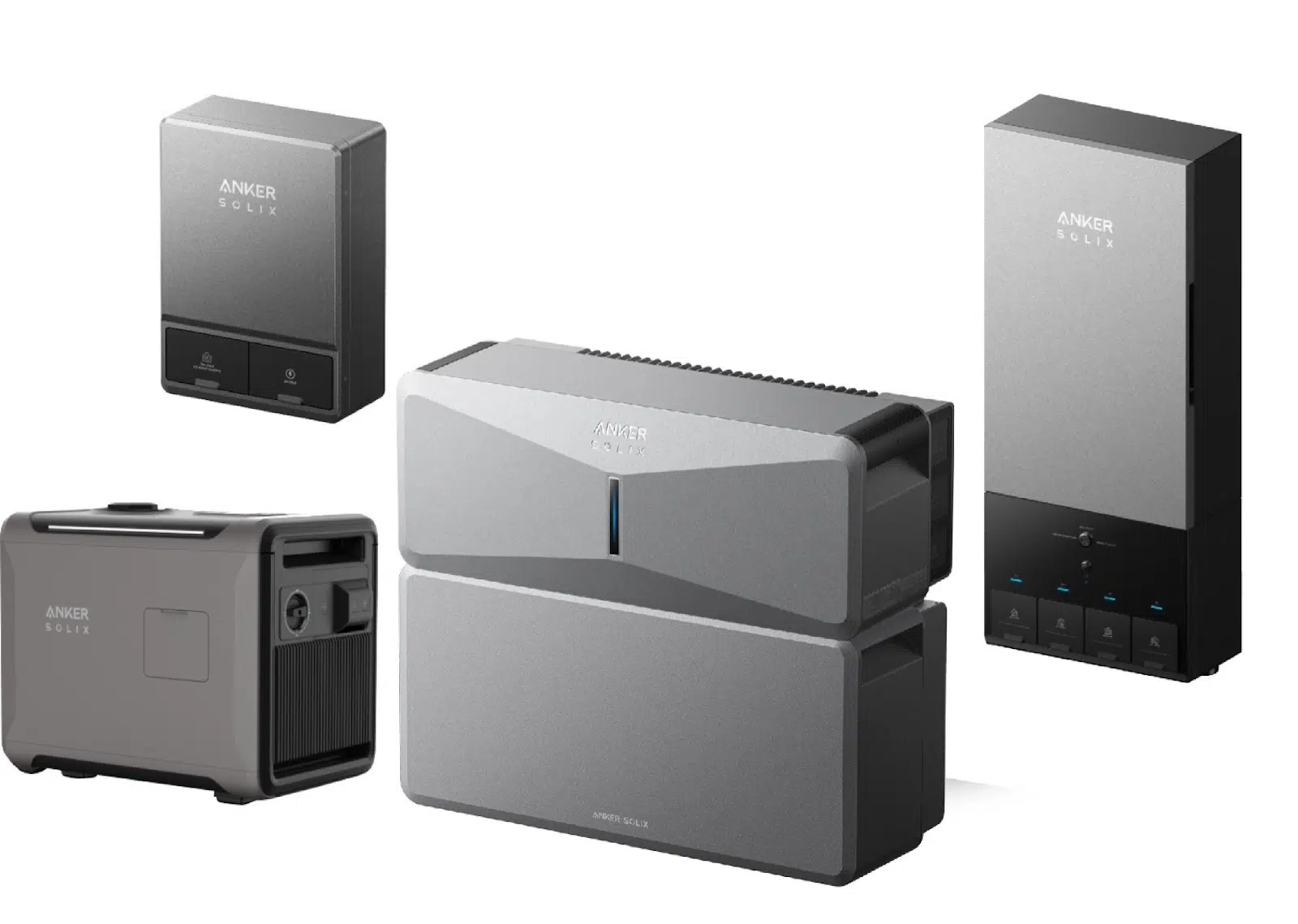
Choosing the right generator begins with understanding what “size” actually means in a home setting. It is not only about physical dimensions or tank capacity; it involves wattage, fuel flexibility, load requirements, and the level of backup power you want during an outage. Homeowners often guess based on the biggest appliance they use, but generator sizing requires a more structured evaluation. Modern inverter units, such as the Anker SOLIX Smart Generator 5500, demonstrate how a home generator can handle essential loads, display real-time data, and adapt output through multiple running modes. By examining how your home consumes power and what features support stable output, sizing becomes far clearer and more predictable.
Understanding the Power Needs of Your Home
Household Loads Define the Generator’s Minimum Requirements
Every appliance draws a specific wattage, and their total determines a generator’s baseline size. Essential items—refrigerators, sump pumps, lighting circuits, routers—typically run between a few hundred to over a thousand watts each. High-demand appliances such as microwaves, space heaters, or well pumps can briefly spike. To choose the right generator size, homeowners must list the devices they want powered during an outage and identify their running wattage versus their starting wattage. The Anker SOLIX Smart Generator 5500 provides 3,600W of rated AC output, which covers a mix of essentials and moderate-demand appliances without overloading. Matching output to real household needs ensures stability and avoids choosing an undersized or oversized model.
Surge Power Determines How the Generator Handles Peak Demand
Generators have two wattage values: continuous running power and short-term starting power. Appliances with motors—such as freezers, air compressors, and some HVAC components—draw a higher surge current when turning on. The right generator must handle that surge without voltage drops. A model offering 5,500VA of starting power, like the SOLIX Smart Generator 5500, provides enough headroom for typical residential peaks. Homeowners who overlook surge demand often select generators that appear strong on paper but fail during real usage. Evaluating both wattage categories ensures that the generator will not trip, stall, or struggle during appliance cycling, which is critical for long-term reliability.
Running Modes Adapt Output to Different Power Profiles
Modern inverter generators adjust performance based on load demand, which means the unit’s “size” is flexible in practice. Eco Mode reduces fuel consumption during light loads, while Turbo Mode supports heavy appliances. Quiet Mode prioritizes reduced noise with moderate output. The SOLIX Smart Generator 5500 includes all three modes, allowing the generator to operate efficiently across various conditions. This helps homeowners size generators more accurately because the machine can scale with changing demands instead of maintaining a constant high RPM. A generator that adapts intelligently to real-time conditions can meet essential needs without requiring an oversize jump.
Additional Factors That Influence Ideal Generator Size
Fuel Type Affects Power Delivery and Real-World Performance
Multi-fuel generators produce slightly different output depending on whether they run on gasoline, propane, or natural gas. Gasoline typically supports maximum wattage levels, while propane and natural gas may produce marginally lower output. The SOLIX Smart Generator 5500 maintains a consistent AC rated power of 3,600W across all three fuels, but DC output adjusts slightly with each fuel type. For homeowners who plan to use a particular fuel during long outages, this difference matters. Selecting the right generator size requires considering the fuel you will rely on most, not just the highest possible rating listed on the unit.
Real-Time Monitoring Prevents Oversizing and Undersizing
A generator with clear operational data helps homeowners understand how much power they actually use, which influences future sizing decisions. The SOLIX Smart Generator 5500 features a TFT-LCD screen showing output power, running mode, fuel percentage, and AC/DC voltage type. This helps users identify whether they are approaching the generator’s limit or staying far below it. Oversizing a generator leads to unnecessary fuel consumption and higher upfront costs, while undersizing creates reliability issues. Real-time metrics allow households to understand their consumption patterns and align generator size with actual usage.
Flexibility and Start Options Shape How You Use Generator Power
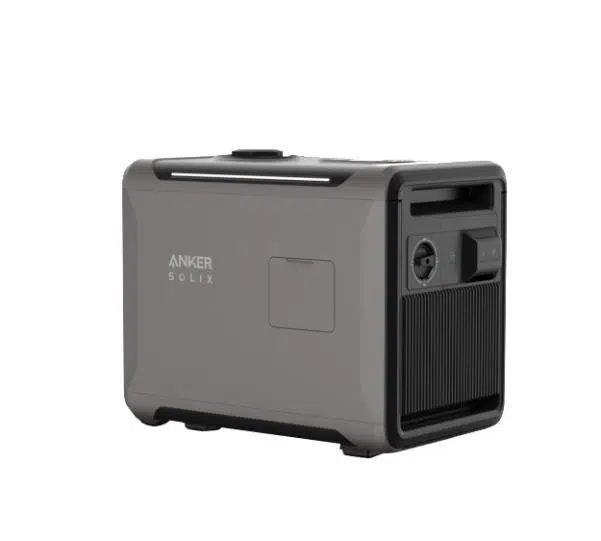
A generator that supports multiple ways of starting—recoil, electric button, app control via Wi-Fi or Bluetooth, remote ESS control, and scheduled automatic start—changes how homeowners approach sizing. Scheduled automatic start, for example, ensures the generator runs only when needed, reducing the requirement for an oversized unit during intermittent outages. App activation allows you to turn the generator on when loads increase. Remote control ensures power is available even when you are not home. Because the SOLIX Smart Generator 5500 adapts operational timing with precision, users can rely on steady power without needing a significantly larger generator to compensate for inefficiencies or manual timing issues.
Conclusion
Finding the right home generator size depends on a detailed understanding of your household’s electrical demands, appliance surge requirements, preferred fuel type, and the level of flexibility you want during outages. High-quality inverter generators make sizing easier by offering adaptive running modes, steady output, and real-time monitoring. The Anker SOLIX Smart Generator 5500 demonstrates how a modern unit balances rated output, fuel versatility, and smart controls to meet essential household needs without unnecessary oversizing. By evaluating wattage demands, load behavior, and operational preferences, homeowners can confidently select a generator that provides reliable power during emergencies while aligning with practical, everyday requirements.